Our Approach in Practice
Assess Legacy Value
We begin by listening: understanding what legacy systems provide and where they limit progress. Your operational expertise shapes our analysis.

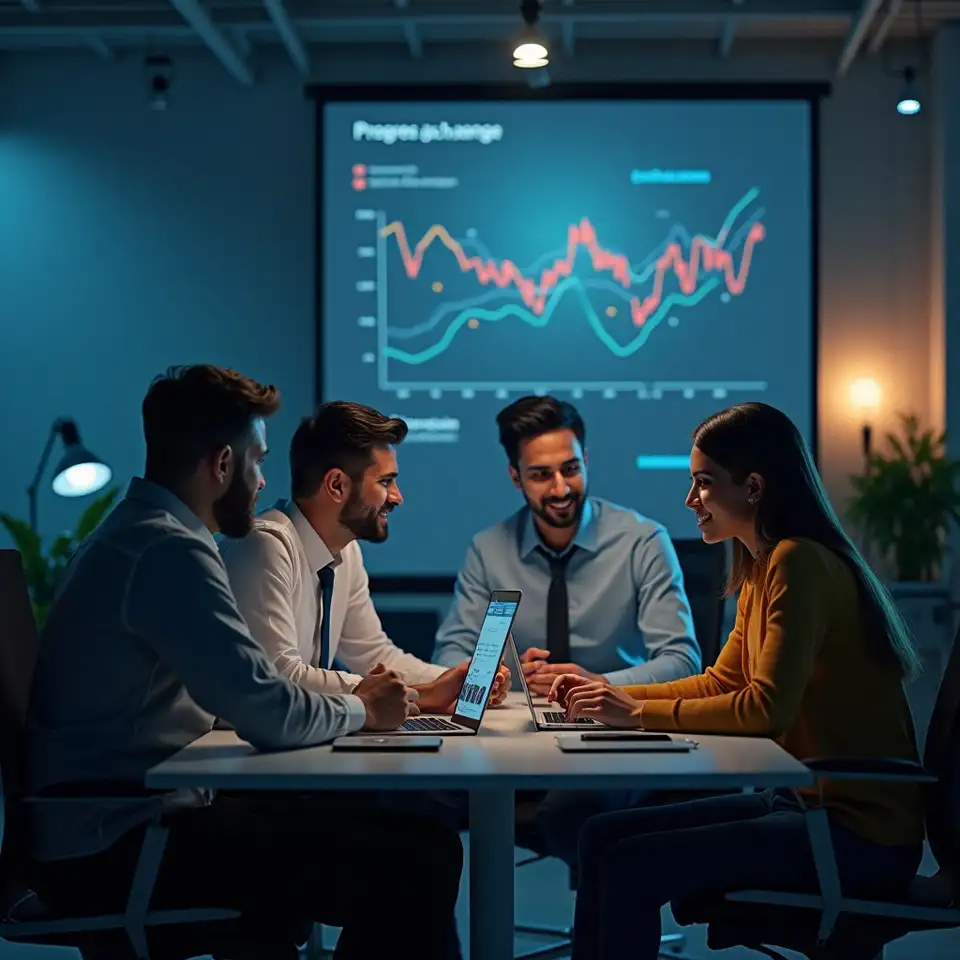
Pilot New Methods
Potential improvements are identified and tested in controlled environments, safeguarding reliability as new ideas are introduced.
Gradual Integration
Integration is gradual, building on proven results. We monitor for unintended side effects, ensuring core functions remain stable.
Continuous Review
Each step is followed by review—feedback guides further change, ensuring that progress is shared and sustainable.
Making Innovation Practical
Change that sticks is rarely dramatic. We support transitions by layering analytics and automation carefully atop existing routines, observing outcomes before expanding scope. By inviting critique and tracking results, we safeguard both performance and continuity. Our aim is to create an environment where innovation is routine—an expected, manageable part of business, not a gamble.
Sustaining Progress Over Time
Consider a business where improvement is not a sprint, but a relay—each new method handed off only when the next is ready to run. We do not chase transformation for its own sake. Our model balances tradition with adaptation, reviewing which systems serve you well and which should evolve. Every recommendation is a proposal, not a command; your team remains the final judge of what fits. This means old and new coexist, each supporting the other in a process of gradual refinement.
Bridging the Old and the New in Business
The interplay between stability and innovation
We engage multiple stakeholders, valuing operational knowledge as highly as technical insight. Change is crafted, not imposed.
Feedback is welcomed at every phase, shaping how solutions are refined and integrated. This ensures progress is shared, not dictated.
A mature organization knows that rushing innovation can destabilize operations. Our approach asks: what can be improved without sacrificing reliability? We map the tension between legacy and novelty, designing transitions that are deliberate, not disruptive. This is a partnership, not a prescription—your feedback steers the pace and scope of change. By tracking outcomes and sharing insights openly, we create space for adjustment and learning. In this way, progress is sustained and uncertainty managed.
Continuous Improvement Amid Change
In an earlier era, businesses protected continuity by avoiding disruption. Now, the imperative is to improve continuously—without discarding the reliable elements that support daily operations. Our method evaluates existing systems and carefully introduces analytics and automation where they will add the most value. Change is not an event, but a persistent practice shaped by evolving needs and measured reflection.
Innovation is not the enemy of continuity; it is its careful steward. We seek to build on what already works, introducing new ideas with respect for past investment.
Your context defines our approach. We do not chase novelty for its own sake, but pursue improvement that endures beyond the initial excitement of change.
How We Balance Progress and Stability
The true art of transformation lies not in discarding the past, but in weaving new capabilities into established strengths.
Understanding Your Foundations
Legacy systems are analyzed for strengths and weaknesses, guiding targeted improvements that don’t compromise existing value.
Pilot-First Adoption
Continuous Adaptation
Adaptation is ongoing, with each phase inviting review and adjustment. No improvement is final—every solution remains open to refinement.